

The Fiat Government vs. the Rule of Code
|
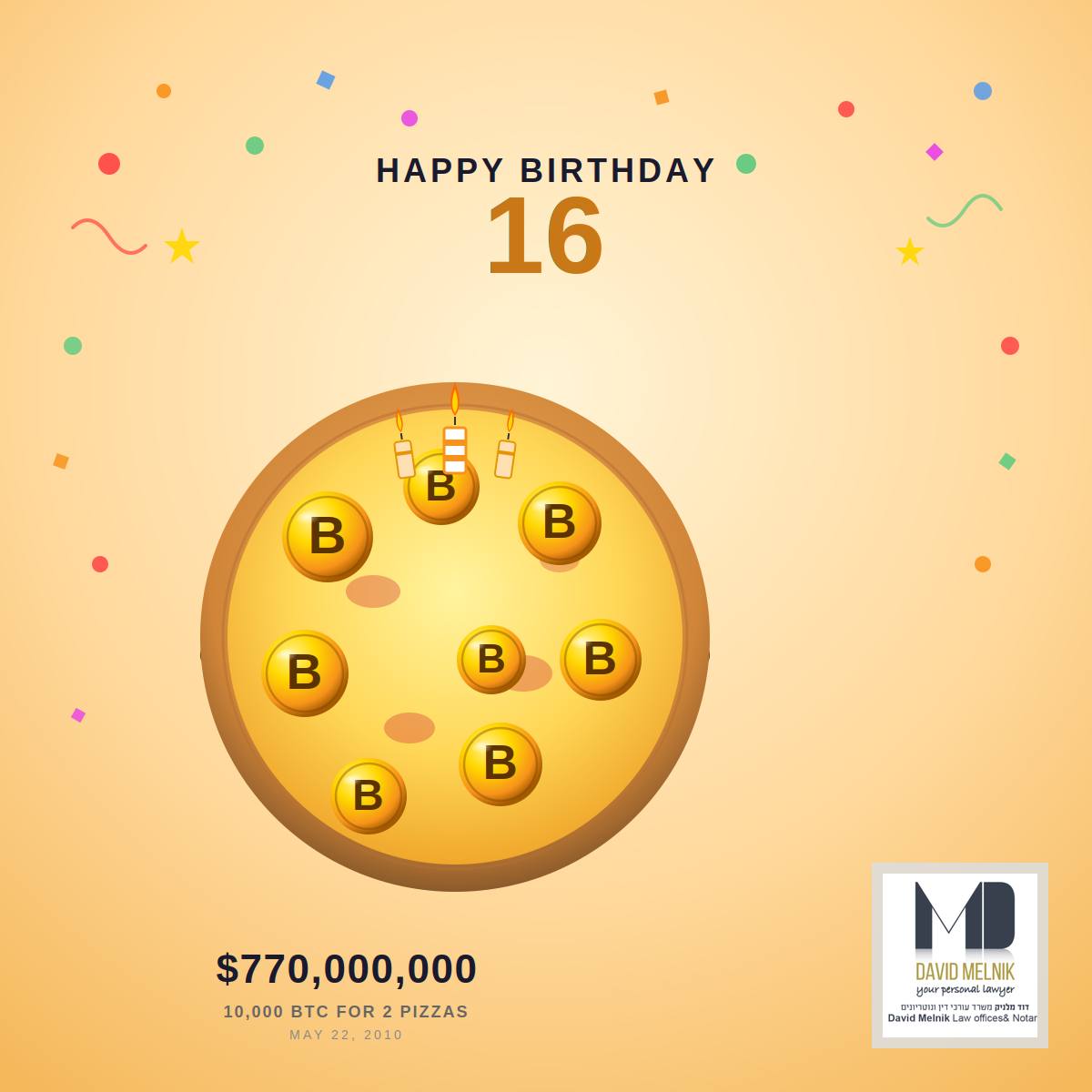
ב-22 במאי 2026 ציין עולם הפיננסים והקריפטו 16 שנים לעסקה המסחרית הראשונה אי פעם שבוצעה במטבע דיגיטלי. מה שהתחיל כרכישה של פיצה בפורום אינטרנט נידח, הפך לאחד מסיפורי המאקרו-כלכלה והקניין המרתקים של המאה ה-21. ב-2010, מתכנת מפלורידה בשם לסלו האניץ פרסם הודעה בפורום אינטרנט: הוא הציע 10,000 מטבעות ביטקוין למי שיזמין עבורו שתי פיצות מ-Papa John's. משתמש אנונימי בשם jercos הרים את הכפפה. הוא שילם 25 דולר עבור הפיצות, ובתמורה קיבל מהאניץ 10,000 ביטקוין: מטבע שהיה אז ניסיוני, ושנסחר באותו רגע בערך של פחות מחצי סנט. בפועל, האניץ שילם ביטקוין בשווי מעט גבוה ממחיר הפיצות. הוא רצה להוכיח שאפשר לקנות משהו אמיתי במטבע דיגיטלי. באותו רגע בדיוק נקבע שער החליפין הראשון של הביטקוין בעולם האמיתי. הצל של סטושי נקמוטוהרשת שעליה בוצעה העסקה הייתה אז בת פחות משנתיים. היא נולדה ב-31 באוקטובר 2008, בעיצומו של משבר הסאבפריים, כאשר דמות אנונימית תחת השם הבדוי "סטושי נקמוטו" פרסמה מסמך אקדמי קצר. הרעיון היה פשוט אך רדיקלי: מערכת תשלומים גלובלית, מבוזרת, שאינה זקוקה לתיווך של בנקים. נקמוטו השיק את הרשת, תקשר עם קומץ מפתחים במשך כשנתיים, ובאמצע 2011 נעלם כלא היה. מאחוריו הוא השאיר ארנק דיגיטלי המכיל כמיליון ביטקוין, שווי המוערך כיום בעשרות מיליארדי דולרים. זוהי אחת מהאחזקות הפרטיות הגדולות בעולם, המוחזקת בלי שאיש זז ממנה מטבע אחד במשך 15 שנה, בעוד עיתונאים, חוקרי FBI וחובבי קריפטו מנסים ללא הפסקה לפצח את זהותו. שחיקת המטבעות מול נסיקת הקוד
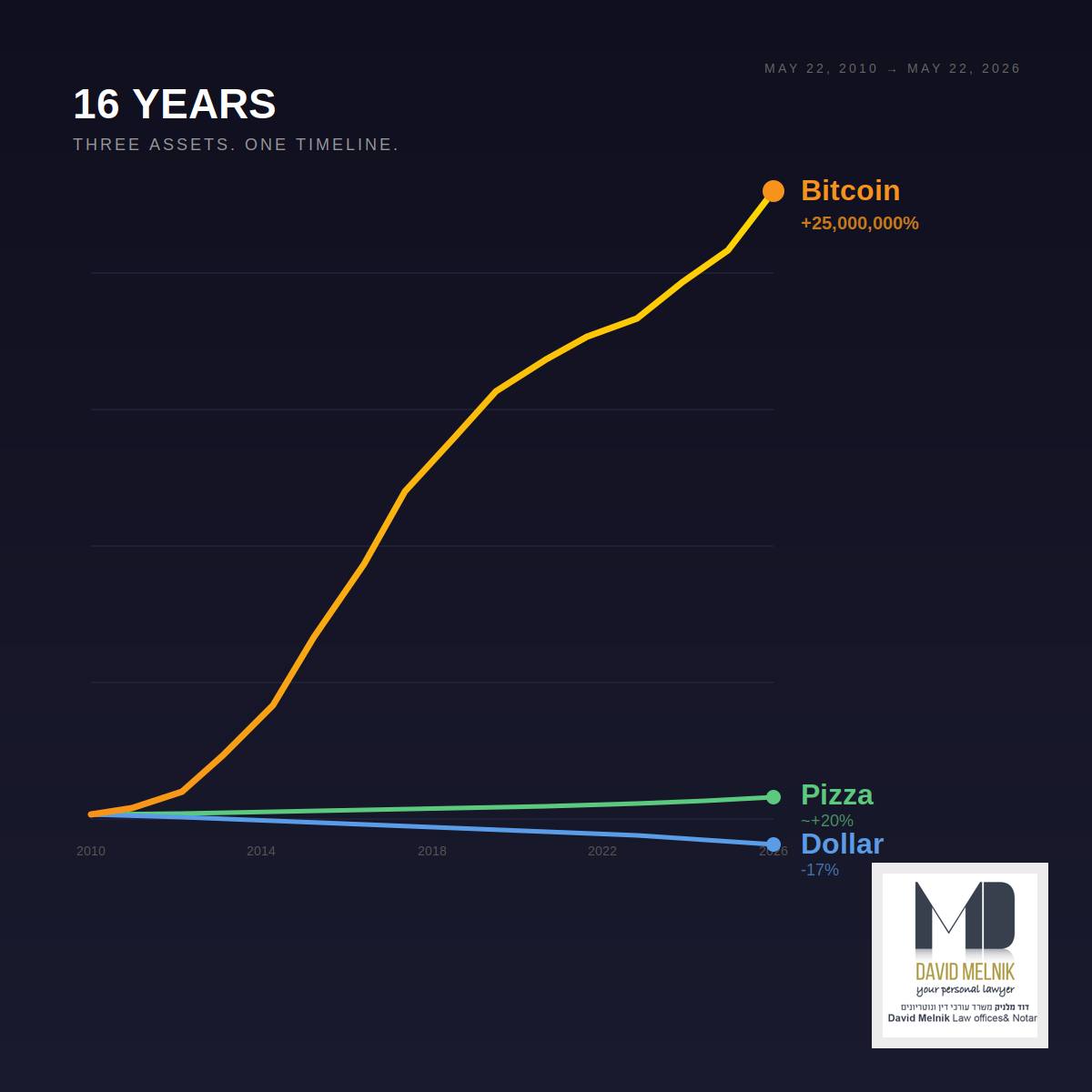
16 שנים, שלושה נכסים, קו זמן אחד
כדי להבין את גודל המהפכה, די להסתכל על אותן שתי פיצות. ב-2010 הן עלו 25 דולר; היום, ארוחה זהה בפלורידה תעלה כ-30 דולר. במילים אחרות, היום צריך כ-20% יותר דולרים כדי לקנות את אותה ארוחה. לעומת זאת, 10,000 מטבעות הביטקוין ששילם האניץ שווים כיום למעלה מ-778 מיליון דולר נכון להיום. ערכו של כל ביטקוין בודד צמח פי 25 מיליון. איך קרה שערימת קוד הצליחה לייצר ולשמר ערך אדיר כל כך, בזמן שמטבעות לאומיים מובילים, מהדולר ועד האירו, מאבדים מערכם בהתמדה? להיחלשות המטבעות יש מספר סיבות: דה-דולריזציה מכוונת של מעצמות יריבות, הפיכת הדולר לכלי נשק פיננסי בעקבות סנקציות, היחלשות התמ"ג היחסי של ארה"ב, ועליית חלופות תפעוליות טכנולוגיות. אבל אחת התשובות העמוקות נעוצה באובדן האמון במכונות ההדפסה. עד שנת 1971, הדולר האמריקאי היה מגובה בזהב. כשנשיא ארה"ב ריצ'רד ניקסון ביטל את ההצמדה, הוא הפך את הכסף ל"פיאט" טהור: נכס ששוויו נשען אך ורק על אמון הציבור ביציבות הממשלה. השחיקה באמון נותנת את אותותיה בשטח: מאז שנת 2000, שיעור הדולרים ברזרבות המוניטריות העולמיות צנח מ-71% ל-58%. במהלך הקורונה בלבד, הדפיס הממשל האמריקאי כ-40% מכלל הדולרים הקיימים אי פעם. בתגובה, בנקים מרכזיים (בעיקר ברוסיה, סין והודו) החלו לרכוש זהב פיזי בקצב הגבוה ביותר מאז שנות השבעים. ובישראל? באופן אירוני, בנק ישראל מחזיק יתרות מט"ח של למעלה מ-200 מיליארד דולר, אך אינו מחזיק אפילו גרם אחד של זהב מאז שנות ה-80, ומעדיף להחזיק את היתרות שלו באג"ח של ממשלות זרות, נכסים שערכם תלוי באמינות הממשלות שמנפיקות אותם, בעוד שבנקים מרכזיים אחרים מגוונים לזהב פיזי, נכס שאינו תלוי בהבטחה של אף ממשלה. ממשלת ה"פיאט" מול שלטון האלגוריתםהביטקוין מציע אלטרנטיבה לכל המבנה. במקום אמון בפקידי בנק מרכזי, הוא נשען על אמון במתמטיקה ובקוד שאיש לא יכול לשנות. האמון מקורו במספר סיבות: הראשון הוא היצע קשיח שאינו ניתן למניפולציה. קוד הביטקוין מכתיב שלעולם לא יהיו יותר מ-21 מיליון מטבעות, ואלפי המחשבים שמתחזקים את הרשת מוודאים שהחוק נשמר בקנאות. שום ממשלה לא יכולה "להדפיס" עוד. השני הוא חוסן מערכתי. הביטקוין שרד שלוש מפולות אדירות: קריסת בורסת Mt. Gox היפנית ב-2014, "חורף הקריפטו" של 2018 (שהפיל את המחיר ב-84%), וקריסת בורסת FTX של סם בנקמן פריד ב-2022, שהתבררה כהונאת ענק. אחרי כל אחת מהמפולות, הקוד המשיך לרוץ והרשת לא נפלה. השלישי הוא זכויות קניין ולגיטימציה מוסדית. הביטקוין מאפשר בעלות מוחלטת וחוצת גבולות, ללא אפשרות של צד שלישי להקפיא או להתערב. בשנת 2024, עם אישור קרנות הסל (ETF) על ידי ה-SEC והכניסה של ענקיות ניהול נכסים כמו BlackRock, הוזרמו עשרות מיליארדי דולרים של כסף מוסדי אל השוק, ודחפו את המטבע לשיאי כל הזמנים. ב-2010, כשלסלו האניץ נגס בפיצה שלו, המחשבה ששורות קוד של מתכנת אנונימי יהוו אי פעם אלטרנטיבה של מאות מיליוני דולרים למערכת הבנקאות הייתה נשמעת כמו מדע בדיוני. 16 שנים מאוחר יותר, בעולם שבו האמון במוסדות המסורתיים הולך ונסדק, המדע הבדיוני הופך אט אט לעובדה פיננסית מוגמרת. וזה לא נגמר בזה. אותה רשת שאיפשרה לערימת קוד להחזיק 770 מיליון דולר של ערך, מאפשרת היום לעסקאות שלמות להתבצע ולהיאכף אוטומטית באמצעות קוד, מבלי שתידרש התערבות אנושית בכל שלב. הטכנולוגיה, המוכרת כחוזים חכמים (Smart Contracts), פותחת אופק חדש: עולם שבו חוזים נכרתים, מתבצעים ונאכפים על ידי הקוד עצמו, בלא צורך בהתערבות של בית משפט. במקביל, היא מהווה תשתית לעולם שלם של פיננסים מבוזרים (DeFi) שמציע הלוואות, ביטוחים ומסחר בלי בנקים ומתווכים. אבל אלה כבר נושאים לפוסטים הבאים. |
Tomorrow, May 22nd 2026, the worlds of finance and crypto mark 16 years since the first commercial transaction ever conducted in a digital currency. What began as a pizza order in an obscure online forum has become one of the most compelling macroeconomic and property stories of the 21st century. In 2010, a Florida programmer named Laszlo Hanyecz posted a message on an internet forum offering 10,000 bitcoin to anyone who would order him two pizzas from Papa John's. An anonymous user named jercos took up the challenge. He paid $25 for the pizzas and, in return, received 10,000 bitcoin from Hanyecz: a then-experimental currency trading at less than half a cent. In effect, Hanyecz paid slightly more in bitcoin than the cost of the pizzas. He wanted to prove that something real could be bought with a digital coin. In that very moment, the first real-world exchange rate of Bitcoin was set. The Shadow of Satoshi NakamotoThe network on which the transaction took place was then less than two years old. It was born on October 31, 2008, at the height of the subprime crisis, when an anonymous figure under the pseudonym "Satoshi Nakamoto" published a brief academic paper. The idea was simple but radical: a global, decentralized payment system that does not require the mediation of banks. Nakamoto launched the network, communicated with a handful of developers for about two years, and in mid-2011 vanished without a trace. He left behind a digital wallet containing roughly one million bitcoin, valued today at tens of billions of dollars. This is one of the largest private holdings in the world, held without a single coin being moved for 15 years, while journalists, FBI investigators, and crypto enthusiasts ceaselessly attempt to crack his identity. The Erosion of Currencies vs. the Soaring of Code
16 Years, Three Assets, One Timeline
To grasp the scale of the revolution, one need only look at those same two pizzas. In 2010 they cost $25; today, the same meal in Florida would cost about $30. In other words, today one needs about 20% more dollars to buy the same meal. By contrast, the 10,000 bitcoin Hanyecz paid are worth today over $778 million. The value of each single bitcoin has grown 25-million-fold. How did it happen that a pile of code managed to create and preserve such enormous value, while leading national currencies, from the dollar to the euro, steadily lose theirs? The weakening of currencies has several causes: deliberate de-dollarization by rival powers, the weaponization of the dollar through sanctions, the relative decline of U.S. GDP, and the rise of technological operational alternatives. But one of the deeper answers lies in the loss of trust in the printing presses. Until 1971, the U.S. dollar was backed by gold. When President Richard Nixon abolished that peg, he transformed money into pure "fiat": an asset whose value rests solely on the public's trust in the stability of the government. This erosion of trust is visible on the ground: since 2000, the share of dollars in global monetary reserves has fallen from 71% to 58%. During the Covid period alone, the U.S. government printed approximately 40% of all dollars ever in existence. In response, central banks (chiefly in Russia, China, and India) began purchasing physical gold at the highest rate since the 1970s. And in Israel? Ironically, the Bank of Israel sits on foreign-exchange reserves of over $200 billion, yet has not held even one gram of gold since the 1980s. It prefers to hold its reserves in foreign-government bonds, assets whose value depends on the credibility of the governments issuing them, while other central banks diversify into physical gold, an asset that does not depend on any government's promise. The Fiat Government vs. the Rule of the AlgorithmBitcoin offers an alternative to this entire structure. Instead of trust in central-bank officials, it relies on trust in mathematics and in code that no one can change. This trust stems from several reasons: The first is a rigid, non-manipulable supply. The Bitcoin code dictates that there will never be more than 21 million coins, and the thousands of computers maintaining the network ensure that this rule is jealously preserved. No government can "print" more. The second is systemic resilience. Bitcoin survived three enormous collapses: the failure of Japan's Mt. Gox exchange in 2014, the "crypto winter" of 2018 (which knocked the price down 84%), and the 2022 collapse of Sam Bankman-Fried's FTX exchange, which turned out to be a massive fraud. After each of these crashes, the code kept running and the network did not fall. The third is property rights and institutional legitimacy. Bitcoin allows for absolute, cross-border ownership, without any possibility of a third party freezing or intervening. In 2024, with the SEC's approval of spot ETFs and the entry of asset-management giants like BlackRock, tens of billions of dollars of institutional capital flowed into the market, pushing the currency to all-time highs. In 2010, when Laszlo Hanyecz bit into his pizza, the thought that lines of code written by an anonymous programmer would ever constitute a hundreds-of-millions-of-dollars alternative to the banking system would have sounded like science fiction. Sixteen years later, in a world where trust in traditional institutions is steadily cracking, that science fiction is slowly becoming an established financial fact. And it doesn't end there. The same network that enabled a pile of code to hold $770 million in value today allows entire transactions to be executed and enforced automatically through code, without human intervention at each stage. This technology, known as Smart Contracts, opens a new horizon: a world in which contracts are formed, performed, and enforced by the code itself, without a court and without lawyers. In parallel, it forms the infrastructure for a whole world of decentralized finance (DeFi) offering loans, insurance, and trading without banks and intermediaries. But these are subjects for upcoming posts. |
שאלות ותשובות
מה בדיוק קרה ב-22 במאי 2010?
מתכנת מפלורידה בשם לסלו האניץ פרסם הודעה בפורום אינטרנט והציע 10,000 מטבעות ביטקוין למי שיזמין עבורו שתי פיצות מ-Papa John's. משתמש אנונימי בשם jercos שילם 25 דולר עבור הפיצות וקיבל בתמורה את המטבעות, שנסחרו אז בפחות מחצי סנט. באותו רגע נקבע שער החליפין הראשון של הביטקוין בעולם האמיתי.
כמה שווים היום אותם 10,000 מטבעות?
למעלה מ-778 מיליון דולר, נכון למאי 2026. ערכו של כל ביטקוין בודד צמח פי 25 מיליון. לשם השוואה, שתי הפיצות שעלו 25 דולר ב-2010 יעלו היום כ-30 דולר בפלורידה, כלומר נדרשים כ-20% יותר דולרים כדי לקנות את אותה ארוחה.
מי היה סטושי נקמוטו, ומה קרה לארנק שלו?
דמות אנונימית שפרסמה ב-31 באוקטובר 2008, בעיצומו של משבר הסאבפריים, מסמך אקדמי קצר שהציג מערכת תשלומים גלובלית ומבוזרת שאינה זקוקה לתיווך של בנקים. נקמוטו השיק את הרשת, תקשר עם קומץ מפתחים במשך כשנתיים, ובאמצע 2011 נעלם. מאחוריו נותר ארנק דיגיטלי ובו כמיליון ביטקוין, שממנו לא הוזז מטבע אחד במשך 15 שנה.
מה הכוונה בכסף פיאט?
עד שנת 1971 הדולר האמריקאי היה מגובה בזהב. כשנשיא ארה"ב ריצ'רד ניקסון ביטל את ההצמדה, הפך הכסף לפיאט טהור: נכס ששוויו נשען אך ורק על אמון הציבור ביציבות הממשלה. אובדן האמון במכונות ההדפסה הוא אחת התשובות העמוקות להיחלשות המטבעות הלאומיים.
למה המטבעות הלאומיים נחלשים?
להיחלשות המטבעות הלאומיים כמה סיבות: דה-דולריזציה מכוונת של מעצמות יריבות, הפיכת הדולר לכלי נשק פיננסי בעקבות סנקציות, היחלשות התמ"ג היחסי של ארה"ב, ועליית חלופות תפעוליות טכנולוגיות. מאז שנת 2000 צנח שיעור הדולרים ברזרבות המוניטריות העולמיות מ-71% ל-58%, ובמהלך הקורונה בלבד הדפיס הממשל האמריקאי כ-40% מכלל הדולרים הקיימים אי פעם.
מה מבטיח שלא יודפסו עוד מטבעות ביטקוין?
קוד הביטקוין מכתיב שלעולם לא יהיו יותר מ-21 מיליון מטבעות, ואלפי המחשבים שמתחזקים את הרשת מוודאים שהכלל נשמר. זו האלטרנטיבה שמציע הביטקוין למבנה הקיים: היצע קשיח שאינו ניתן למניפולציה, שבו האמון נשען על מתמטיקה ועל קוד שאיש אינו יכול לשנות, במקום על אמון בפקידי בנק מרכזי.
הרשת שרדה את משברי הקריפטו?
הביטקוין שרד שלוש מפולות: קריסת בורסת Mt. Gox היפנית ב-2014, חורף הקריפטו של 2018 שהפיל את המחיר ב-84%, וקריסת בורסת FTX של סם בנקמן פריד ב-2022, שהתבררה כהונאת ענק. אחרי כל אחת מהמפולות הקוד המשיך לרוץ והרשת לא נפלה.
מה מחזיק בנק ישראל ברזרבות שלו?
בנק ישראל מחזיק יתרות מט"ח של למעלה מ-200 מיליארד דולר, ואינו מחזיק אפילו גרם אחד של זהב מאז שנות ה-80. הוא מעדיף להחזיק את היתרות באג"ח של ממשלות זרות, נכסים שערכם תלוי באמינות הממשלות שמנפיקות אותם. בנקים מרכזיים ברוסיה, סין והודו החלו לרכוש זהב פיזי בקצב הגבוה ביותר מאז שנות השבעים.